Working at Height Safety in South Africa: A Critical Focus for Worker Protection
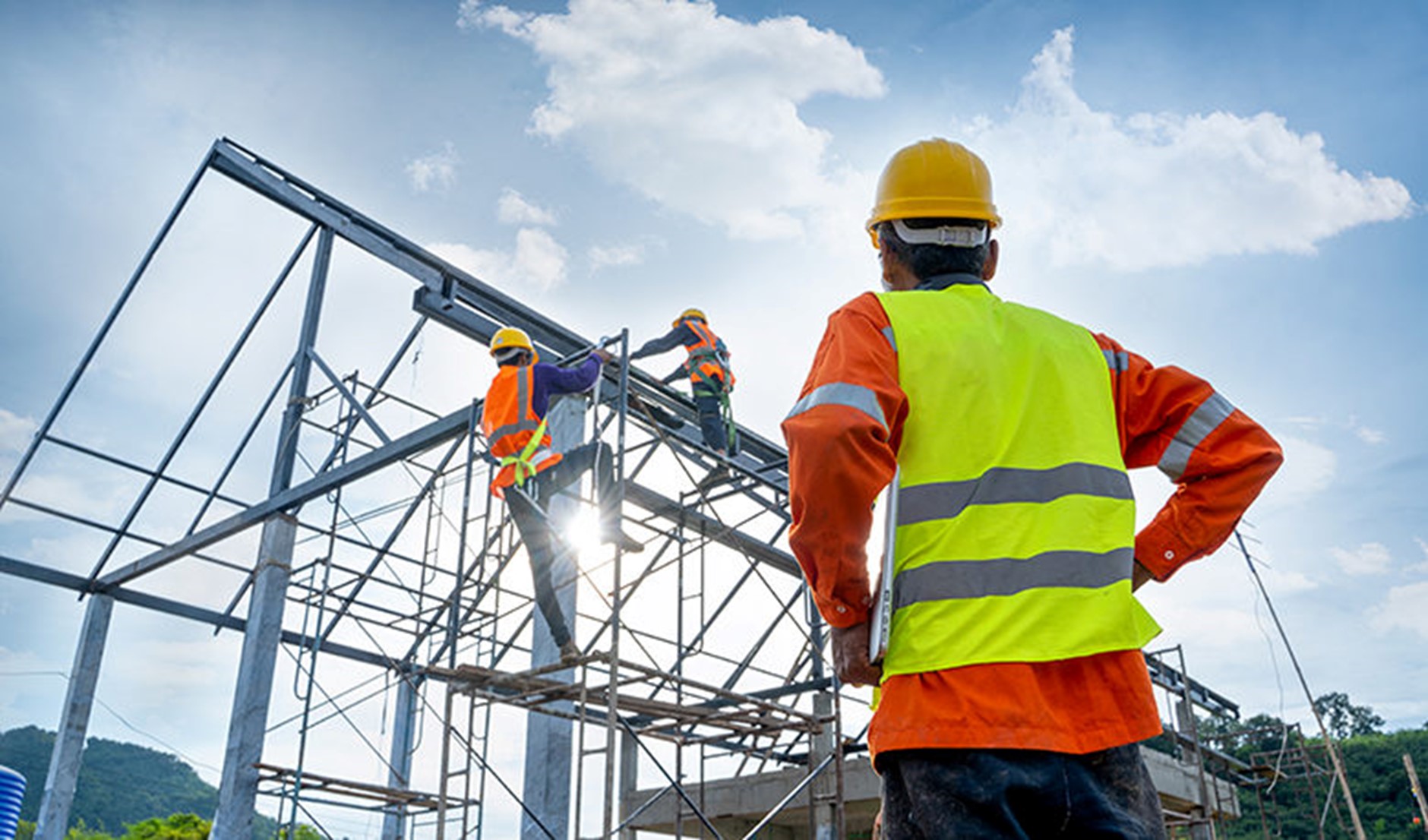
Working at height remains one of the most hazardous activities in many industries, including construction, mining, and maintenance sectors.
In South Africa, where the demand for construction and infrastructure development is high, ensuring the safety of workers who are exposed to this risk is crucial.
With an increasing number of injuries and fatalities in this area, effective safety measures are paramount.
The Statistics and the Risk
South Africa's Department of Labour reports that falls from height are one of the leading causes of fatal workplace accidents. Whether it's working on scaffolding, ladders, roofs, or elevated platforms, the risks associated with falls are ever-present.
According to the South African Federation of Trade Unions (SAFTU), around 25% of work-related fatalities in South Africa occur due to falls.
Legal Requirements and Regulations
South Africa has stringent regulations in place to address working at height hazards. The Occupational Health and Safety Act (OHSA) and the General Safety Regulations (GSR) outline specific measures that employers must implement to protect workers. These include the need for proper fall arrest systems, training, and the requirement for a thorough risk assessment before any height work is undertaken.
Under the OHSA, employers are required to provide employees with training and a safe working environment, which extends to working at height. The use of personal protective equipment (PPE) such as harnesses, helmets, and safety boots, as well as the installation of guardrails, fall arrest systems, and safety nets, is mandated.
Practical Safety Measures
To ensure workers' safety when working at height, employers must enforce several key practices:
-
Risk Assessments: Before any work begins, a detailed risk assessment is essential to identify potential hazards and put in place measures to minimize these risks. This should include inspecting scaffolding, ladders, and other platforms to ensure they are stable and secure.
-
Training and Competence: Workers need to be properly trained in working at height safety. This includes training on the correct use of PPE, how to recognize hazards, and how to respond in emergencies.
-
Proper Equipment: The use of proper fall protection systems such as safety harnesses, guardrails, and lifelines is critical. These systems should be regularly checked for wear and tear to ensure they remain effective.
-
Supervision and Monitoring: Supervisors must ensure that safety protocols are strictly followed, and workers should be continuously monitored to prevent unsafe practices.
Safety Culture and Awareness
Building a strong safety culture is just as important as compliance with regulations. Employers should foster an environment where safety is prioritized, and workers feel empowered to speak up about unsafe conditions. Regular safety meetings and awareness campaigns can keep safety at the forefront of everyone's mind.
Conclusion
Working at height is an inherent risk, but with the right safety measures in place, it's a risk that can be managed. South Africa's regulations provide a solid framework for ensuring that workplaces are as safe as possible, but the real impact comes from continuous vigilance, proper training, and a commitment to safety from both employers and employees. By prioritizing these elements, South Africa can reduce the number of fall-related accidents and fatalities, ensuring a safer working environment for all.
Do not hesitate to contact us for all your working at height training requirements.